
Interview With Katie Đỗ, the Playwright of Love You Long Time (Already)
Katie Đỗ is a Vietnamese American playwright based in San Diego. She’s a proud alum of the Sống Collective’s Việt Writers Lab and the Public’s Emerging Writers Group. Đỗ is also the inaugural recipient of Merrimack Repertory Theatre’s Sokhary Chau Playwriting Fellowship. Her plays have been developed by South Coast Repertory (Pacific Playwrights Festival), Atlantic Theater Company (MixFest), The Sống Collective, The Public Theater, Orlando Shakes, and Artists at Play.
INTERVIEWSFEATURED
T Wu
6/22/20264 min read
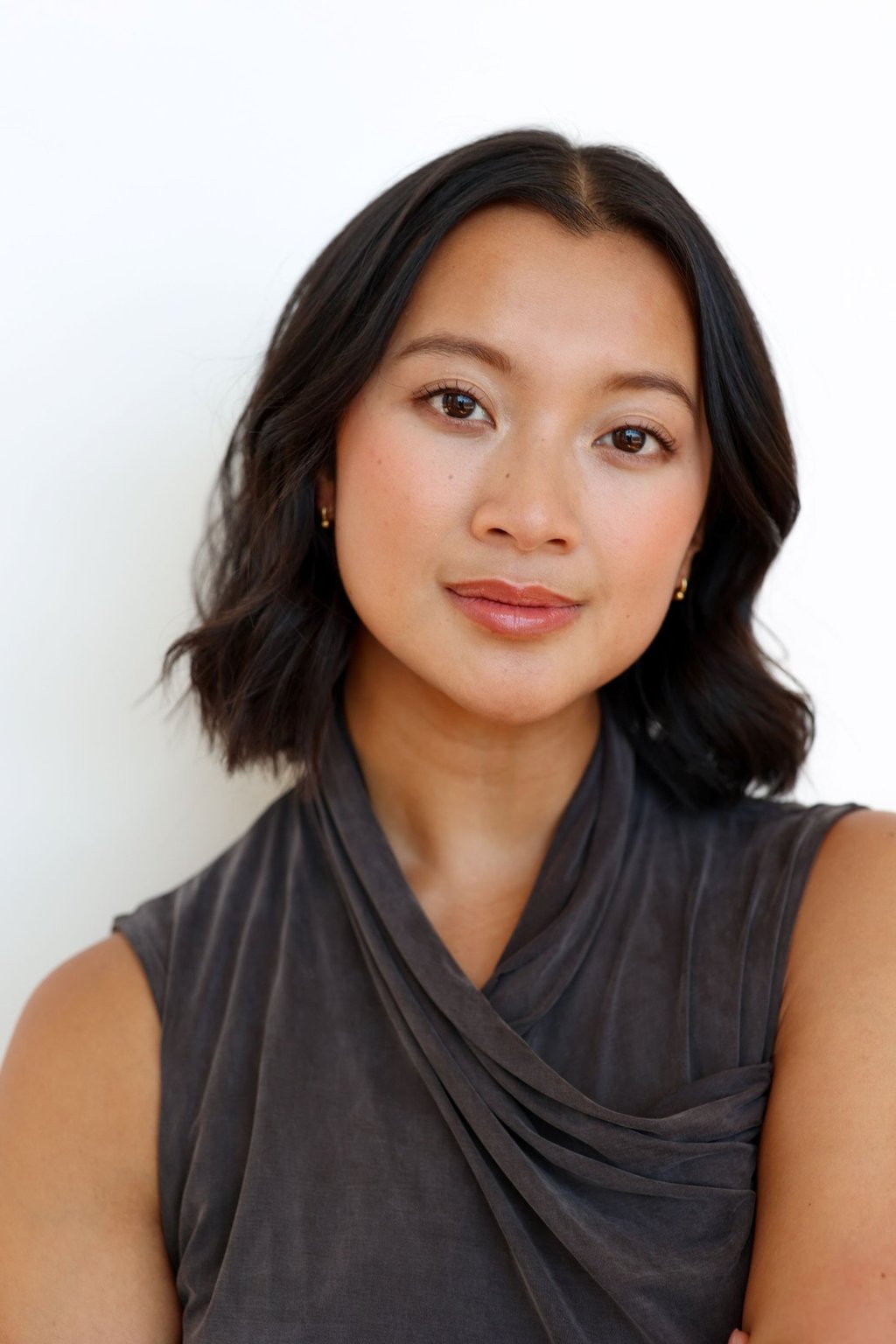
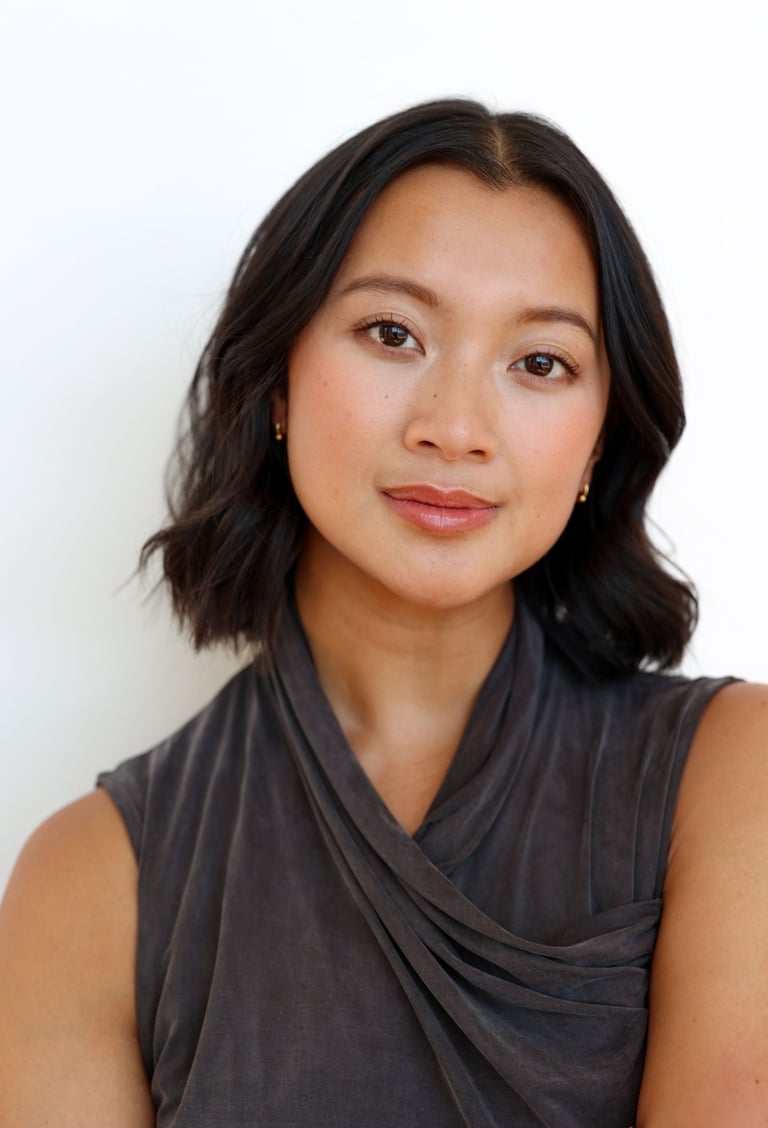
Katie Đỗ
Q: Love You Long Time (Already) explores themes of mother-daughter relationships, migration, and memory. What first drew you to these themes, and why did you choose them for your debut play?
A: Honestly, the themes of love you long time (already) revealed themselves to me as I kept writing and redrafting. I started it in 2019, and I was primarily an actor at the time. It felt more natural to focus more on the voices and inner lives of the characters rather than reaching for specific themes. The subjects of relationships, migration and memory inevitably bubbled up for these Vietnamese immigrants in America who relied, loved, and cared for each other through difficult times.
Q: The title Love You Long Time (Already) is intriguing. What does the "(Already)" add to the meaning of the title?
A: It’s been almost seven years since I wrote this play, and I can’t quite recall how this title came about. If I had to guess, I reckon it’s a reference to the famous line in Full Metal Jacket. I wanted to subvert that line; maybe even reclaim it, so I think I added the (already) in there to differentiate it. While I might choose a different title now, I choose to respect the younger writer in me and keep the title.
Q: Stories about mothers and daughters are often told on stage. What do you feel makes your approach to this relationship different or unique?
A: The mother and daughter at the centre of this relationship are meticulously shaped by my experiences of Vietnamese culture, American culture, family dynamics, and gender imbalance. Growing up, I found that conflict was rarely worked out immediately, or aloud even, especially between a parent and child. I did my best to navigate these nuances while finding a way to explore the unspoken between mother and daughter. It won’t feel like kitchen-sink realism, it won’t feel like a movie with a clear plot point to follow at every moment. Sometimes it is impossible to change a parent, or really talk to them as a person, for various cultural or generational reasons; so I explore how a mother-daughter relationship can change and how long it takes to get to a mutual place of understanding.
Q: The play explores both the ties that bind us and the cost of breaking free from them. How did you navigate these tensions while developing Mai and Tâm's relationship?
A: Over the course of the rehearsals of this production, which are still happening now, my collaborators have been such a blessing. Watching Tuyền and Molly embody the mother and daughter in my play, whilst having a brilliant, dramaturgically minded director, helps me tremendously. I find so much precision in the actor’s ability to perform the nuance of so many difficult situations. I can really explore that line of what it means to repeat generational patterns, but also being informed by them, how tricky and beautiful that can be. Ties that bind us to parents can often be patterns passed down to us as protection. Protection is sometimes a form of love.
Q: Dreams, memory, and heaven all play important roles in the piece. How did you come up with this idea, and how does this structure emerge during the writing process?
A: Once again, I find myself not being able to speak as clearly as my younger self, who started this play almost seven years ago. The past me really worked on pure instinct, and I believe she felt these alternate layers of subconscious were crucial for the characters to have the peace and safety they needed to work out what was impossible to work out in reality.
Q: The play deals with themes of family, migration, and loss, but is also described as funny and moving. How did you approach balancing humour with these more emotional subjects?
A: Everyone is often surprised when they hear this play out loud because they laugh more than they expected to. When the play has actors who understand the nuances of these characters, the humour definitely comes to the forefront until it doesn’t. Growing up, I picked up that humour is a survival mechanism and it can often walk a tightrope with tragedy, so I think that’s something I try to remember as I write anything.
Q: As a Vietnamese American playwright, how has your own background influenced the writing of this piece?
A: I started this play with a very complicated relationship to that label, though I am much more comfortable with it now. Diaspora is a very varied experience, and I think that through writing this play, I had to learn what the label ‘Vietnamese American’ meant to me. I know the voices that influenced this play very well, and while I cannot represent every lived experience of a Vietnamese person, I can try my best to be specifically rigorous about mine. Each part of the play revealed and challenged a different part of my identity, and if I felt I had work to do on myself, I sought support and tried my best to meet the challenge.
Q: As your debut play, what are you most excited for audiences to experience when they see it for the first time?
A: I look forward to audiences seeing the incredible work that my collaborators have done. The acting, the design, the direction, all of the hands that have touched this play, are done with gorgeous precision. Plays are meant to be performed, and I look forward to folks seeing the craftsmanship poured into a mother-daughter story that we don’t often get to see in Western media.
Q: Finally, for anyone interested in seeing the show, where can they find Love You Long Time (Already)?
A: https://theatre503.com/whats-on/love-you-long-time-already/
@theatre503
#loveyoulongtimealready
Sound Behind Curtain
A place for all Asian artists.
Your gift keeps the curtain rising for Asian creatives.
About
Contact
© 2026 Sound Behind Curtain. All rights reserved.
Terms & Conditions Privacy Policy